The story of Dutch elm
Dutch elm — Ulmus x hollandica — is a rare and highly valued hardwood with a remarkable history. Long before oak became the dominant hardwood in European forestry and interiors, elm was prized for its toughness, resilience and exceptional resistance to impact. It was traditionally used for everything from chair seats, tool handles and wagon wheels to boat parts and even bridge timbers.
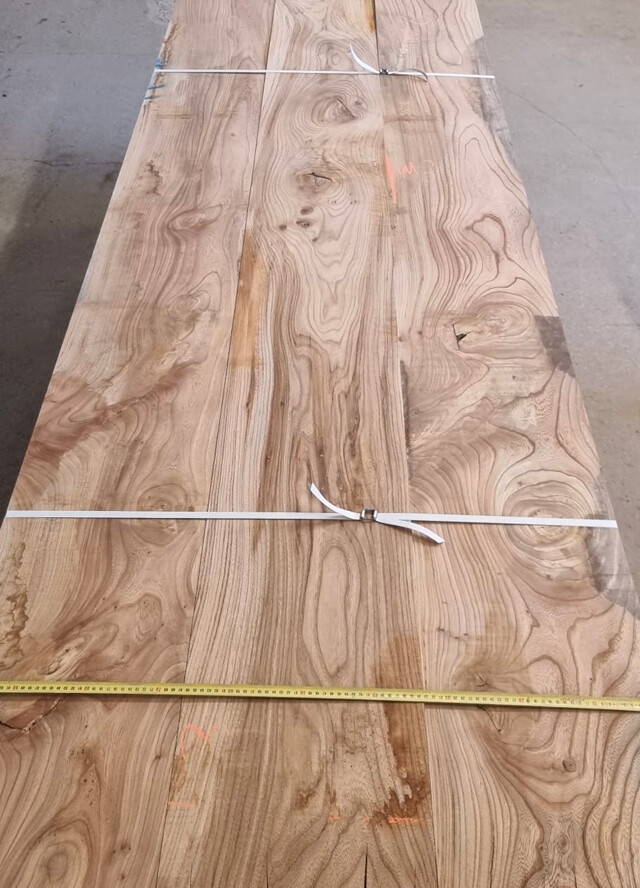
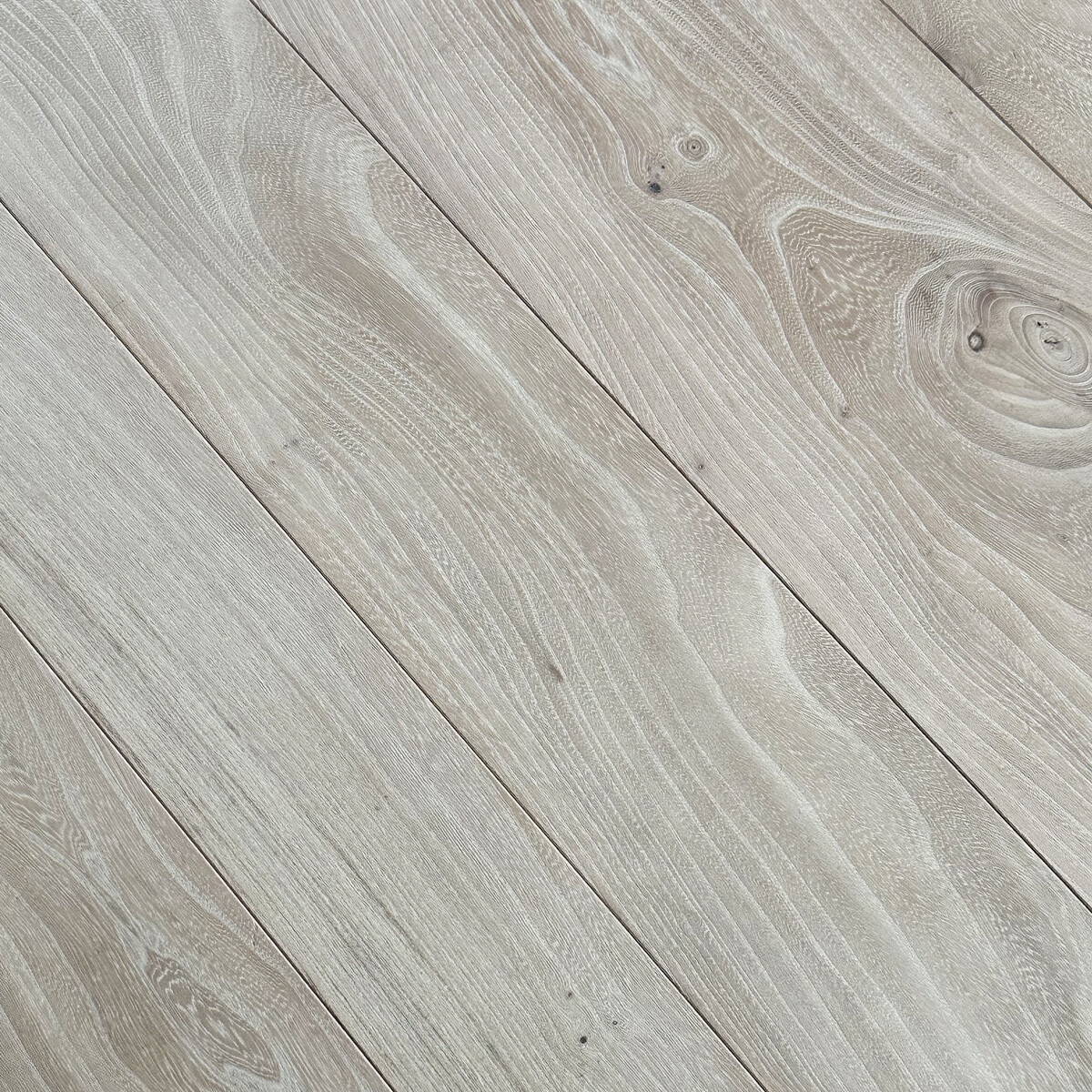
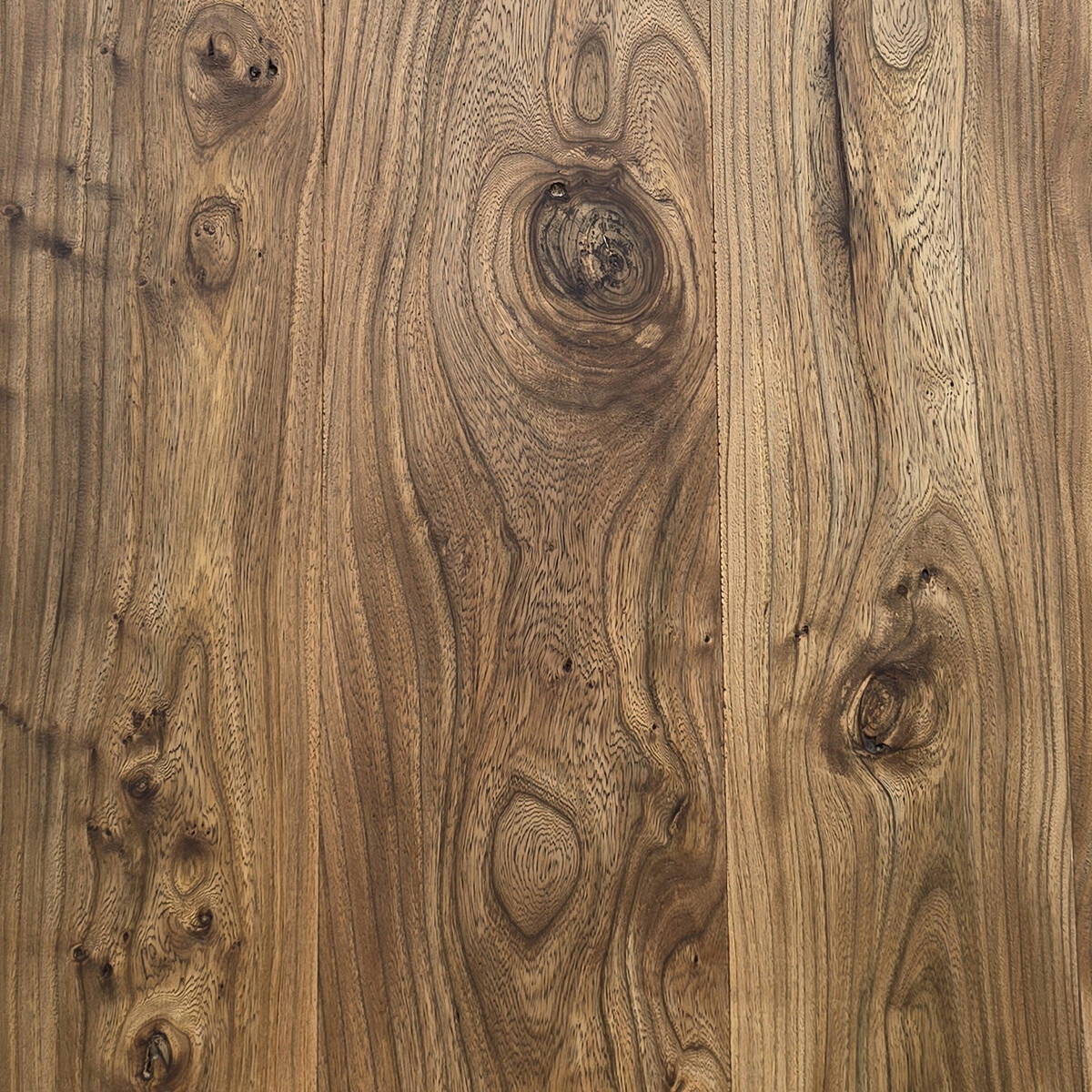
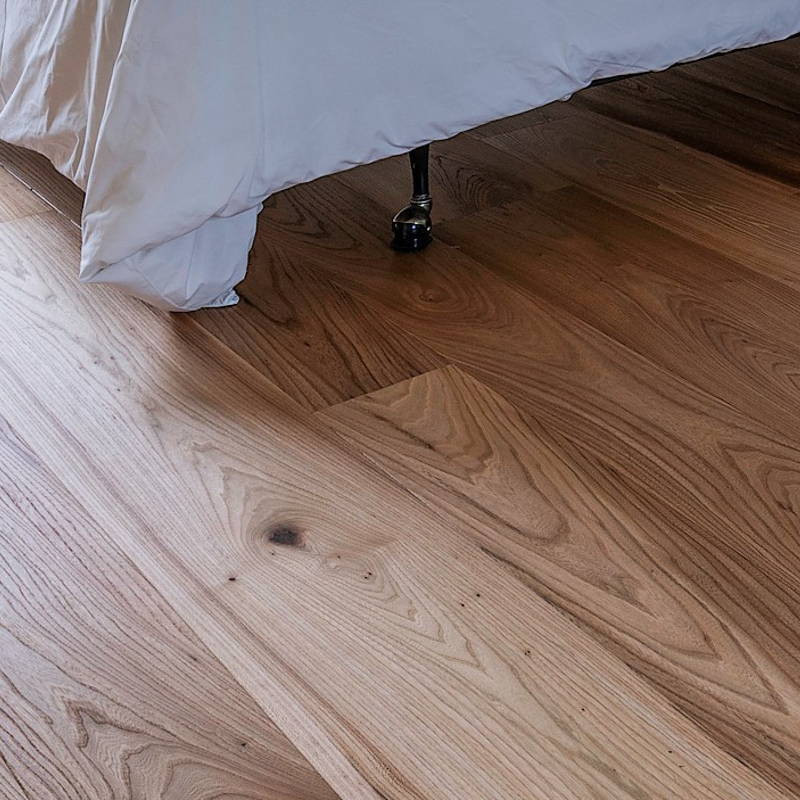
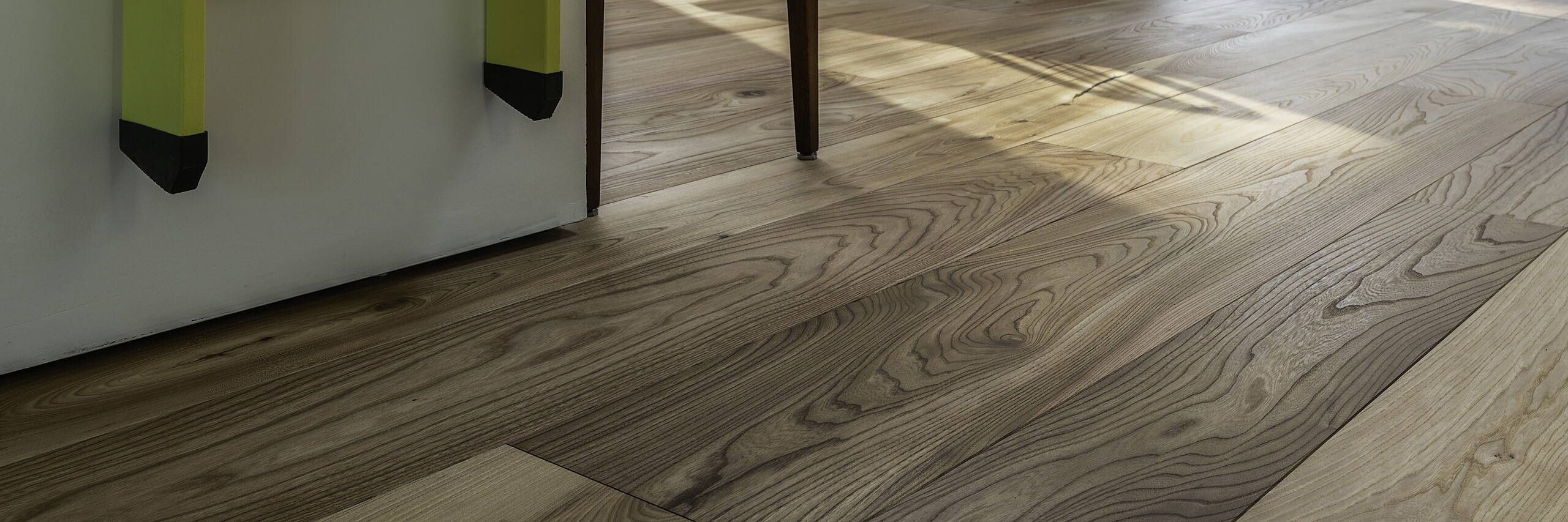
But Dutch elm is perhaps best known for its extraordinary appearance. Its famously interlocked and twisted grain creates a lively, rippled figure that gives every board its own distinctive character.
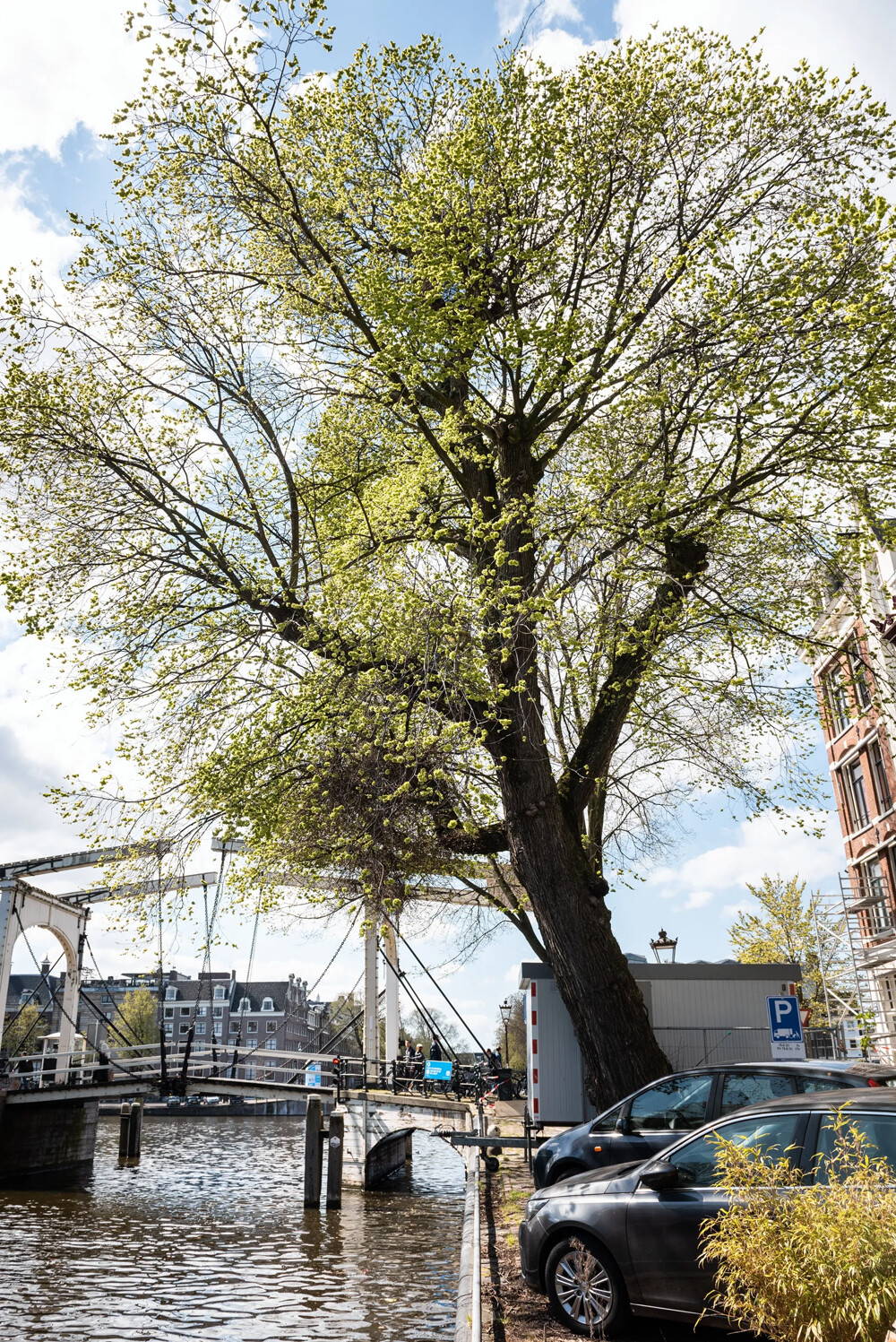
For generations, magnificent elm trees were part of the Dutch landscape, lining canals, streets and avenues. Dutch elm disease changed that landscape dramatically, causing the loss of countless mature trees and making large Dutch elms increasingly rare. The timber therefore carries with it a strong sense of Dutch heritage and nostalgia.
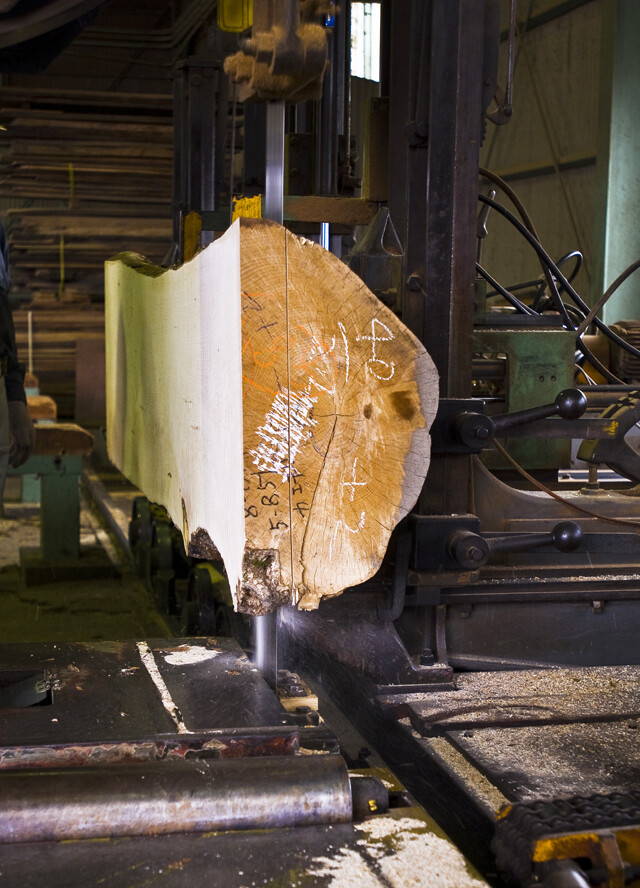
Today, mature elms that have to be felled are often chipped and used as biomass. At WOODlife, we believe these remarkable old trees deserve a different fate. Whenever possible, we rescue suitable Dutch elm trunks before they reach the chipper and give the timber a new life.
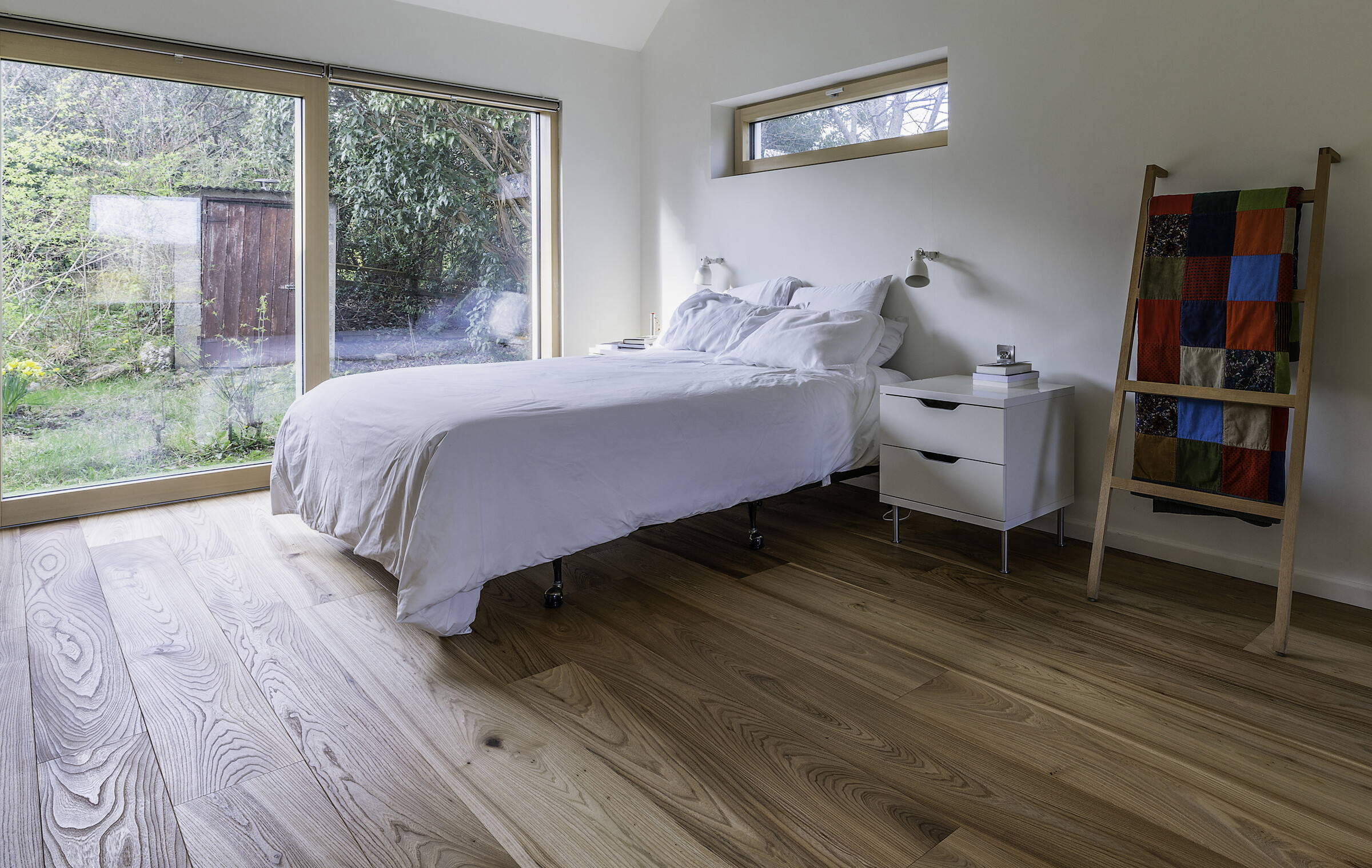
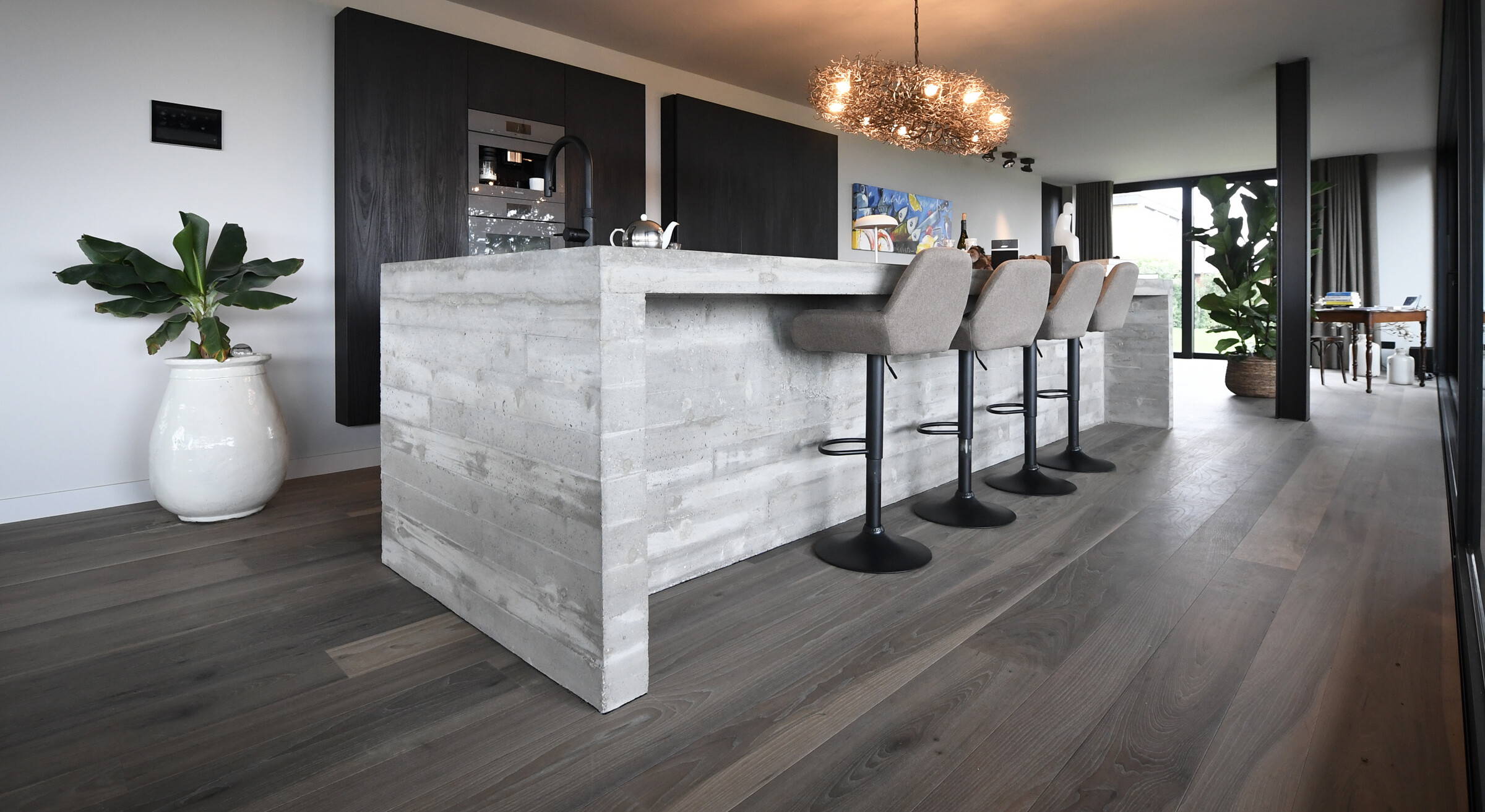
We carefully transform these salvaged trees into exceptional floors, stairs, and wall and ceiling surfaces — architectural products that can remain in use for generations. In doing so, we preserve not only the beauty and history contained within each tree, but also the carbon stored in its timber for many generations to come.
WHY WE STEAM DUTCH ELM
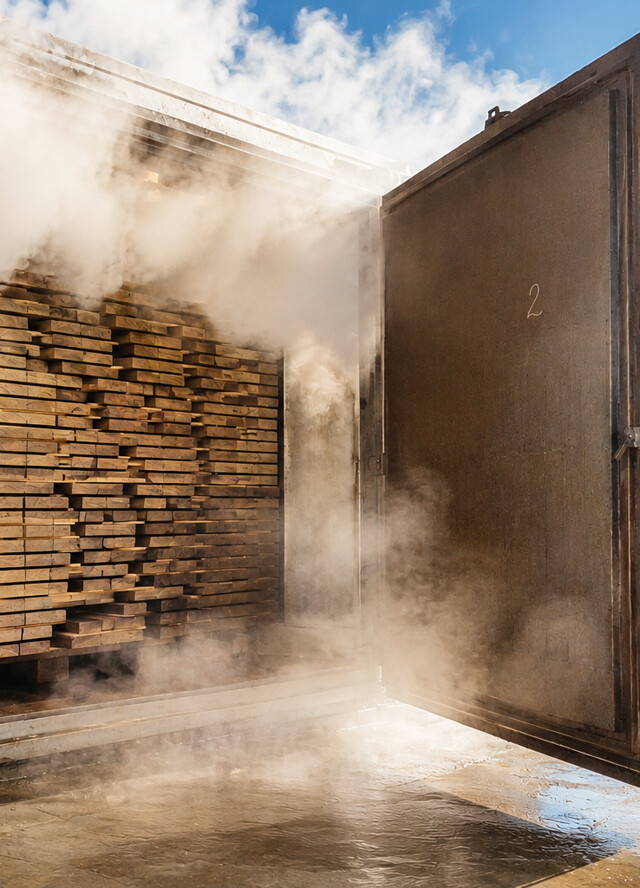
Steaming is an important part of the refinement of our Dutch elm. The timber remains in the steaming chamber for several days, where heat and moisture gradually influence its colour and behaviour — without the use of stains, pigments or chemical treatments.
The process helps to reduce internal stresses within the timber, which is particularly valuable for mature urban trees that have grown for many decades under varying conditions. This contributes to more stable, predictable timber during subsequent drying and processing. Because sugars are leached out during the steaming process, the wood becomes substantially less attractive to wood-boring insects and fungi.
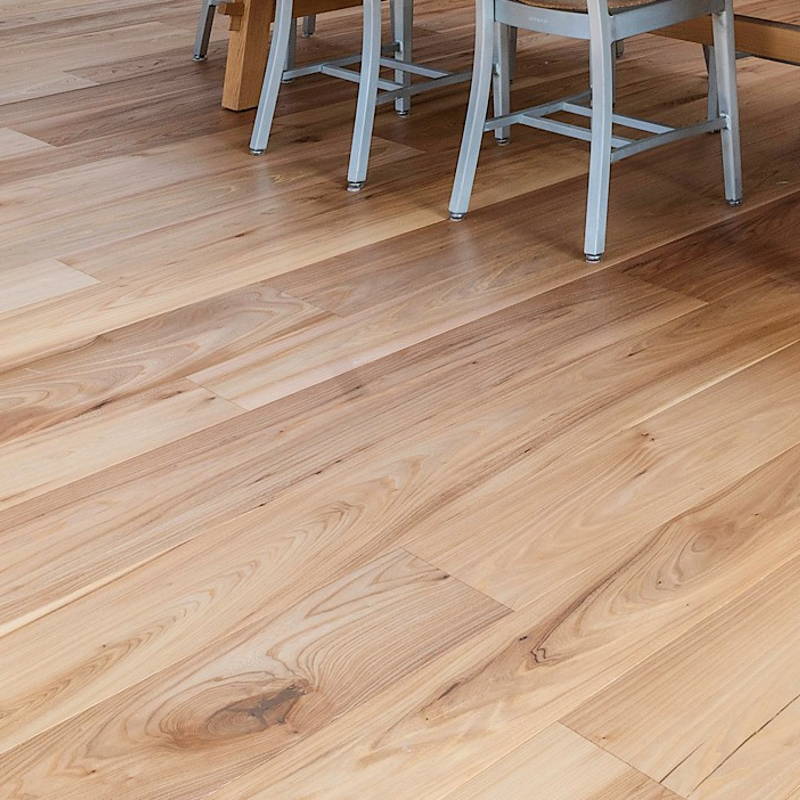
And then there is the colour. Steaming transforms Dutch elm into something truly distinctive: its natural tones become deeper, warmer and more harmonious, developing an almost walnut-like richness. Steaming also significantly reduces the natural colour contrast between heartwood and sapwood. The otherwise pale, almost white sapwood darkens during the process, bringing its colour much closer to the warmer, deeper tones of the heartwood. This creates a more harmonious and balanced appearance while allowing more of the tree to be used.
The result is a 100% natural material with greater visual depth, improved stability and a beautifully warm character — achieved through nothing more than heat, moisture, time and craftsmanship.